
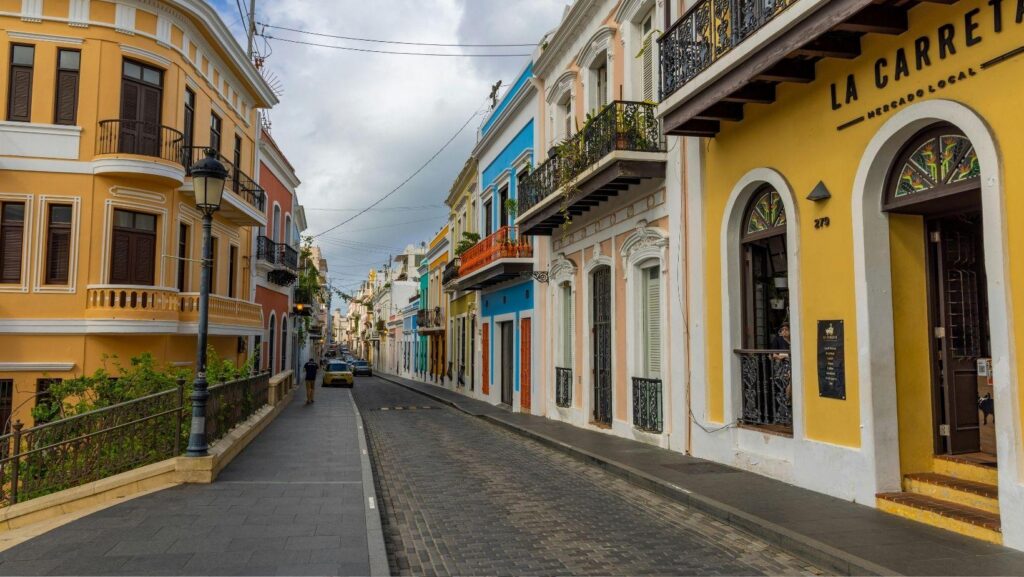
Booking a place to stay used to mean picking a hotel chain and calling it a day. These days, the options are far more layered, and for a destination as varied as Puerto Rico — beaches, rainforest, colonial streets, mountain towns — that variety is genuinely useful, provided you know how to navigate it. Here’s a practical walkthrough for anyone booking Puerto Rico vacation rentals for the first time.
Start With Neighborhood, Not Just Property
The single biggest mistake first-time visitors make is choosing a rental based purely on photos, without researching where it actually sits relative to the rest of the island. Puerto Rico is compact, but traffic and road conditions can make a 20-mile drive take much longer than a map suggests. Before falling in love with a listing, look at its distance from the airport, from restaurants and grocery stores, and from whichever activities are the actual point of the trip — surfing in Rincón, historic sightseeing in Old San Juan, or hiking in El Yunque.
Understand the Range of Puerto Rico Vacation Rentals
The category covers a lot of ground. On one end are simple, budget-friendly apartments suited to travelers who just need a comfortable base. On the other are fully staffed villas with pools, ocean views, and hotel-level amenities. In between sits a wide middle tier of well-maintained homes and condos that balance comfort and value.
Knowing where you fall on that spectrum before you start browsing saves a lot of time. A solo traveler prioritizing walkability in San Juan has very different needs than a family of six looking for a private pool and enough bedrooms to avoid sharing bathrooms.
Check the Practical Details Early
A few questions are worth resolving before you commit to a booking:
- Power and water reliability. Outages can happen, particularly outside major towns, so it’s worth asking whether a property has backup generator capacity.
- Air conditioning coverage. Not every rental cools every room, which matters a lot given the island’s humidity.
- Parking. If you’re renting a car — often the most practical way to explore beyond San Juan — confirm the property actually has secure parking.
- Check-in logistics. Self-check-in with a lockbox works fine for some travelers; others prefer an in-person greeting, especially on a first visit.
Timing Your Booking
Puerto Rico’s high season generally runs from December through April, when the weather is driest and demand from mainland travelers peaks. Prices for well-located rentals climb accordingly, and popular properties can book out months in advance. Traveling in the shoulder months — May, June, or November — often means better rates and more availability, with only a modest tradeoff in weather predictability.
Reading Reviews the Right Way
Star ratings alone don’t tell the full story. It’s worth actually reading recent reviews, paying particular attention to comments about responsiveness — how quickly issues were resolved, whether the listing matched its description, and whether communication before arrival was clear. A property with slightly older reviews that consistently mention helpful, fast communication is often a safer bet than one with glowing but vague five-star ratings and no detail.
Building in Flexibility
Finally, it’s worth choosing a rental with a cancellation policy that matches your certainty about the trip. Hurricane season technically runs from June through November, and while direct impacts on any given trip are relatively uncommon, having some flexibility in your booking terms provides useful peace of mind, particularly for trips planned well in advance.
The Bottom Line
Booking well comes down to matching the property to the actual shape of your trip — not just the nicest photos in the listing. With a bit of upfront research into location, amenities, and timing, Puerto Rico vacation rentals can offer a level of comfort, space, and local character that’s genuinely hard to match with a standard hotel stay, especially for travelers planning to explore more than one corner of the island.