
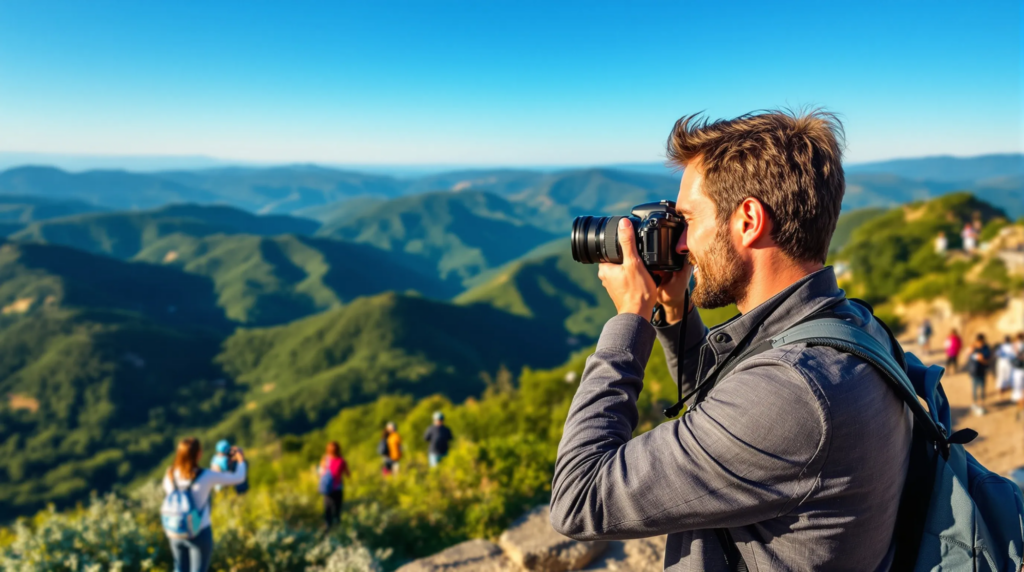
Have you ever scrolled through social media, admiring beautiful travel photos while secretly wishing your shots could hold a candle to them? Well, we’re here to tell you that you don’t need a fancy DSLR or a degree in fine arts to take amazing travel photos. With a little know-how and some basic gear, we can transform our travel snaps from ordinary to extraordinary. Ready to become the photographer we always wanted to be? Let’s immerse.
Understanding Your Camera
First things first, let’s get to know our equipment better. Understanding the basics of our camera is crucial. Whether we’re using a smartphone or a fancy mirrorless setup, we should familiarize ourselves with the settings. Let’s start with the exposure triangle: aperture, shutter speed, and ISO.
We often overlook how these elements work together. Think of aperture as the way our camera blinks. A wider aperture lets in more light, which is great for low-light situations. On the other hand, a narrow aperture can bring everything into focus, perfect for expansive landscapes.
Next up is shutter speed. This is the thing that freezes action. If we’re aiming to capture a moving subject, a faster shutter speed is crucial. Finally, the ISO controls our camera’s sensitivity to light. Higher ISO can help in dim conditions but might introduce noise.
Eventually, experimenting with these settings will help us find our own style. So, let’s play around and see what works for us.
Choosing the Right Equipment
Now that we’ve got a grip on our camera, let’s talk gear. Choosing the right equipment doesn’t mean we need the latest model with every bell and whistle. For beginners, a mid-range DSLR or mirrorless camera provides an excellent balance between quality and usability.
Don’t forget about lenses. A versatile zoom lens can withstand a variety of situations, but prime lenses are fantastic for their sharpness and clarity. For those traveling light, a good smartphone can also give us surprisingly great results, especially in well-lit environments.
Also, investing in a sturdy tripod can elevate our photography game. It’s especially handy during dusk or for landscape shots that require stability. The idea is to select gear that enhances our process, not complicates it. So let’s keep it simple.
Mastering Composition Techniques
Compelling photos often boil down to composition. We can’t just point and shoot. The rule of thirds is a classic starting point for us. Imagine our frame divided into nine equal parts: placing our subject along those lines or at their intersections makes for a more balanced image.
We should also experiment with leading lines. Roads, bridges, or even fences can guide the viewer’s eye toward our subject. And don’t shy away from angles: shooting from a low or high perspective can provide a fresh look at familiar scenes.
Negative space is another technique worth mastering. Leaving a portion of the frame empty can emphasize our subject dramatically. Remember, taking our time to practice these techniques will transform our images significantly.
Utilizing Natural Light
Natural light is our best friend in photography. Let’s harness the golden hours, early morning and late afternoon, when sunlight bathes everything in a warm glow. This soft light is flattering and can enhance our images remarkably.
We should also be mindful of harsh midday sun which can cast unflattering shadows and wash out colors. When that happens, it’s the perfect time to seek shade or use the overcast sky to our advantage.
Reflectors can also help if we’re shooting portraits: they bounce light back onto our subject and reduce harsh shadows. Let’s embrace the light instead of fighting it.
Capturing the Essence of Your Destination
Travel photography is more than just pretty landscapes: it’s about telling a story. We want to capture the essence of our destination. Finding unique angles or details about the culture, people, and food can make our photos more vibrant.
For instance, street markets bustling with life or a local delicacy being prepared can speak volumes about a place. We should also aim to include people in our shots, as they can add a narrative and personal touch.
By focusing on the little things that evoke the spirit of a location, we can create a richer visual story that resonates with others.
Editing Your Travel Photos
Editing is the cherry on top of our photography journey. While our raw images are important, a little post-processing can elevate them further. Programs like Adobe Lightroom or even mobile apps like Snapseed can radically improve our images.
Let’s start by adjusting exposure and contrast to bring out details. Cropping can also help tighten our compositions. Adding a bit of saturation can make the colors pop, but we want to avoid overdoing it: subtlety is key.
Also, experimenting with presets can speed up our workflow and ensure a consistent style. Remember, a well-edited photo can often make the difference between a snapshot and a stunning image.