
The way people eat has changed dramatically over the past decade. Restaurants delivery has moved from a niche convenience to a central part of how millions of people access their meals every day. What was once limited to pizza and Chinese takeout now covers nearly every cuisine imaginable, delivered to your door within the hour. This article explores why food delivery exploded in popularity, how technology is driving that growth, what it means for restaurant owners, and where the industry is heading next.
Why Has Food Delivery Become So Popular?
The short answer is convenience. Busy schedules, remote work, and shifting lifestyles have made eating out less practical for many people. Online food ordering removes the friction of commuting, parking, and waiting — you choose what you want, pay digitally, and your meal arrives at your door.
The COVID-19 pandemic accelerated this shift significantly. When dining rooms closed, restaurants that hadn’t invested in delivery scrambled to get online. Consumers who had never ordered through an app suddenly relied on it weekly. Many of those habits stuck long after restrictions lifted.
Beyond convenience, delivery opened access to a wider variety of food. Someone in a suburban neighborhood could now order from a highly rated downtown restaurant without the drive. That expanded reach reshaped consumer behavior in lasting ways.
How Technology Is Transforming Restaurant Operations
Technology sits at the heart of every successful delivery operation. Modern restaurant operations now depend on integrated systems that would have seemed excessive just a few years ago.
Point-of-sale (POS) systems now sync directly with online ordering systems, reducing manual entry errors and speeding up kitchen workflows. Restaurant management software helps staff track orders across multiple channels simultaneously — dine-in, takeout, and delivery — without creating chaos in the kitchen.
AI-powered ordering tools are also gaining ground. Some platforms use machine learning to predict peak ordering windows, helping restaurants staff appropriately and reduce food waste. Digital payment systems have replaced cash almost entirely in delivery contexts, streamlining transactions and improving record-keeping.
For customers, mobile ordering apps provide a seamless experience — saved preferences, reorder functions, real-time tracking, and instant digital receipts. The technology has raised the bar for what a smooth ordering experience looks like.
The Rise of Third-Party Delivery Platforms
Few developments have shaped food delivery more than the emergence of third-party platforms. Companies like Uber Eats, DoorDash, Grubhub, Deliveroo, and Foodpanda built the infrastructure that allowed restaurants of all sizes to offer delivery without managing their own fleets.
These delivery platforms handle logistics technology, driver networks, payment processing, and customer-facing apps. For a restaurant owner who wants to reach delivery customers quickly, signing on with one of these services is the fastest path to market.
The tradeoff is commission fees, which typically range from 15% to 30% of each order. That margin pressure has pushed many operators to reconsider their pricing, portion sizes, and menu design specifically for delivery.
Despite the costs, the visibility these platforms provide is real. A small, independent restaurant listed on DoorDash or Uber Eats immediately gains access to a massive user base it couldn’t afford to reach through traditional advertising.
How Restaurants Delivery Services Are Changing Consumer Expectations
Once customers experienced fast, trackable, contactless delivery, their expectations shifted permanently. People now expect accurate ETAs, live order tracking, and the option for contactless delivery as a default — not a premium feature.
Rating systems on delivery platforms have also raised accountability. A string of cold meals or late arrivals gets noticed in reviews, which directly affects a restaurant’s ranking on the app. That visibility has pushed many kitchens to invest in better packaging and more precise timing.
Customer convenience is no longer just about speed. It’s about reliability, transparency, and choice. People want to filter by dietary preference, check real-time availability, and receive proactive notifications if something changes. Restaurants that meet these expectations build loyal digital customers. Those that don’t get passed over for competitors who do.
Benefits and Challenges for Restaurant Owners
Delivery opens significant revenue opportunities. Restaurants can serve more customers without expanding their physical space, operate beyond traditional dining hours, and reach neighborhoods outside their immediate area.
Key benefits include:
- Increased order volume without additional seating requirements
- Access to data and customer insights through platform dashboards
- Ability to test new menu items with lower risk
But the challenges are equally real. Managing delivery logistics alongside in-house service creates operational complexity. Food quality can suffer during transit — dishes that taste perfect in the dining room may arrive soggy or cold. Packaging costs add up. And dependence on third-party platforms means restaurants have limited control over their own customer relationships and data.
Many operators have responded by creating separate delivery menus with items designed to travel well, investing in insulated packaging, and exploring direct ordering through their own websites to reduce platform fees.
What Food Delivery Means for Traditional Dining Experiences
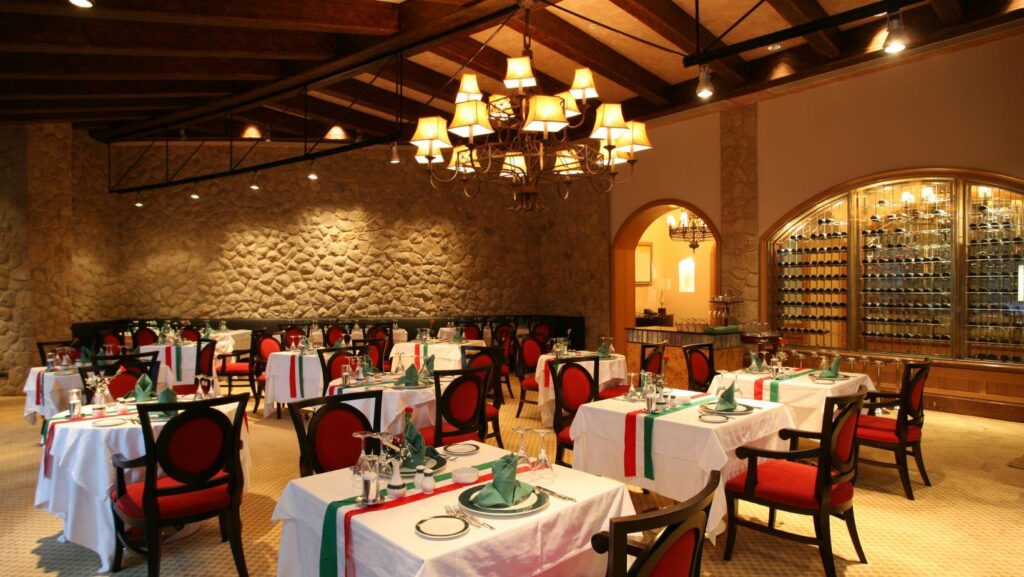
There’s a genuine tension between the growth of digital dining and the traditional sit-down experience. Restaurant dining has always been about more than food — it’s atmosphere, service, and the social ritual of sharing a meal. Delivery strips most of that away.
Some operators worry that as delivery grows, the cultural value of the restaurant experience diminishes. Others see the two as complementary. Delivery handles weeknight convenience while the dining room remains reserved for occasions worth leaving the house.
One of the most significant structural shifts is the growth of ghost kitchens, also called cloud kitchens. These are commercial cooking spaces with no dining room — built entirely to fulfill delivery orders. They allow operators to run multiple virtual restaurant brands from a single location, dramatically cutting overhead while scaling output. This model has attracted both independent chefs and major chains looking to expand their delivery reach without opening new physical locations.
What Does the Future Hold for Restaurants Delivery?
Food delivery trends point toward further integration of technology and greater personalization. AI-powered ordering will become more sophisticated, enabling platforms to anticipate what you want before you search for it based on past behavior, time of day, and local conditions.
Drone and autonomous vehicle delivery remain in development but are inching toward commercial viability in certain markets. Sustainability will also become a bigger factor — consumers and regulators are pushing back on single-use packaging, and restaurants that find eco-friendly solutions will likely gain a competitive edge.
Direct ordering is growing too. More restaurants are investing in their own apps and online ordering systems to reduce dependence on third-party platforms and build closer relationships with their customers.
The core dynamic won’t change: people want good food delivered conveniently. How that happens will keep evolving.
Conclusion
Restaurants delivery has fundamentally altered how food businesses operate and how people think about eating. From the technology powering kitchen operations to the delivery platforms connecting restaurants with millions of customers, the shift is broad and deep. Restaurant owners who adapt thoughtfully — balancing delivery revenue with the integrity of their dining experience — are better positioned for long-term success. As ghost kitchens expand, AI tools mature, and consumer habits continue to evolve, the line between restaurant and delivery service will keep blurring. The dining industry isn’t disappearing — it’s transforming.